Preventing Costly Downtime: Common Plumbing Challenges in Tulsa Businesses
Commercial plumbing systems play a critical role in keeping businesses operational, safe, and compliant. From restaurants and retail stores to office buildings and industrial facilities, plumbing infrastructure directly affects productivity, sanitation, and customer satisfaction. When plumbing issues arise unexpectedly, downtime can quickly disrupt daily operations, reduce revenue, and create costly repair emergencies. In busy commercial environments, even minor leaks, clogged drains, or water pressure inconsistencies can escalate into significant operational setbacks if not addressed early. Business owners across Tulsa continue to face increasing challenges caused by aging plumbing systems, high water demand, seasonal weather changes, and ongoing maintenance neglect.
Preventing plumbing-related downtime requires more than reacting to emergencies after damage occurs. Businesses benefit most from proactive inspections, preventative maintenance strategies, and early identification of hidden system weaknesses. Understanding the most common plumbing challenges allows facility managers and property owners to reduce repair costs, avoid operational interruptions, and protect valuable equipment and infrastructure. Commercial plumbing systems are far more complex than residential systems, making professional oversight essential for long-term reliability. By recognizing warning signs early and implementing practical maintenance solutions, businesses can maintain efficient operations, preserve customer trust, and avoid expensive disruptions that affect profitability and long-term business performance.
Understanding Why Plumbing Downtime Impacts Businesses
Financial Consequences of Plumbing Failures
When commercial plumbing systems fail, the financial consequences often extend beyond repair expenses. Businesses may lose operational hours, experience reduced customer traffic, or temporarily shut down sections of a property. In industries such as hospitality, healthcare, and food service, plumbing disruptions can immediately affect health code compliance and customer safety.
Water damage restoration, mold remediation, and equipment replacement can rapidly increase operational costs. Even a small pipe leak behind walls or beneath flooring can damage inventory, electronics, and structural materials before becoming visible. Businesses that rely on uninterrupted plumbing performance understand that preventative measures are far less expensive than emergency repairs and business interruptions.
Operational Disruptions Across Industries
Different industries experience unique plumbing-related challenges. Restaurants frequently deal with grease buildup and drain blockages, while office buildings often struggle with restroom overuse and aging pipes. Manufacturing facilities may experience issues caused by high water demand or specialized plumbing equipment.
Regardless of industry type, plumbing downtime can create scheduling delays, employee inconvenience, and customer dissatisfaction. Preventative maintenance programs help businesses identify vulnerabilities before operational disruptions occur.
Reputation and Customer Trust
Customers expect businesses to maintain clean, functional, and safe environments. Overflowing toilets, unpleasant drain odors, or visible water leaks can negatively affect a customer’s perception of professionalism and cleanliness. In competitive commercial markets, even temporary plumbing problems can influence online reviews and long-term customer loyalty.
Businesses that prioritize plumbing maintenance demonstrate reliability, operational preparedness, and commitment to customer satisfaction.
Common Commercial Plumbing Challenges Businesses Face
Drain Clogs and Sewer Line Backups
Drain blockages remain one of the most common plumbing issues affecting commercial properties. High daily usage places significant strain on sinks, floor drains, and sewer lines. Grease, food waste, paper products, soap residue, and debris gradually accumulate inside pipes, restricting flow and increasing the risk of backups.
Warning Signs of Developing Drain Problems
Several early warning signs indicate developing drainage issues:
- Slow-draining sinks or floor drains
- Gurgling sounds in plumbing fixtures
- Recurring clogs in multiple areas
- Persistent sewer odors
- Water pooling near drains
Ignoring these warning signs often leads to severe blockages that disrupt operations and require emergency intervention.
Preventative Drain Maintenance Strategies
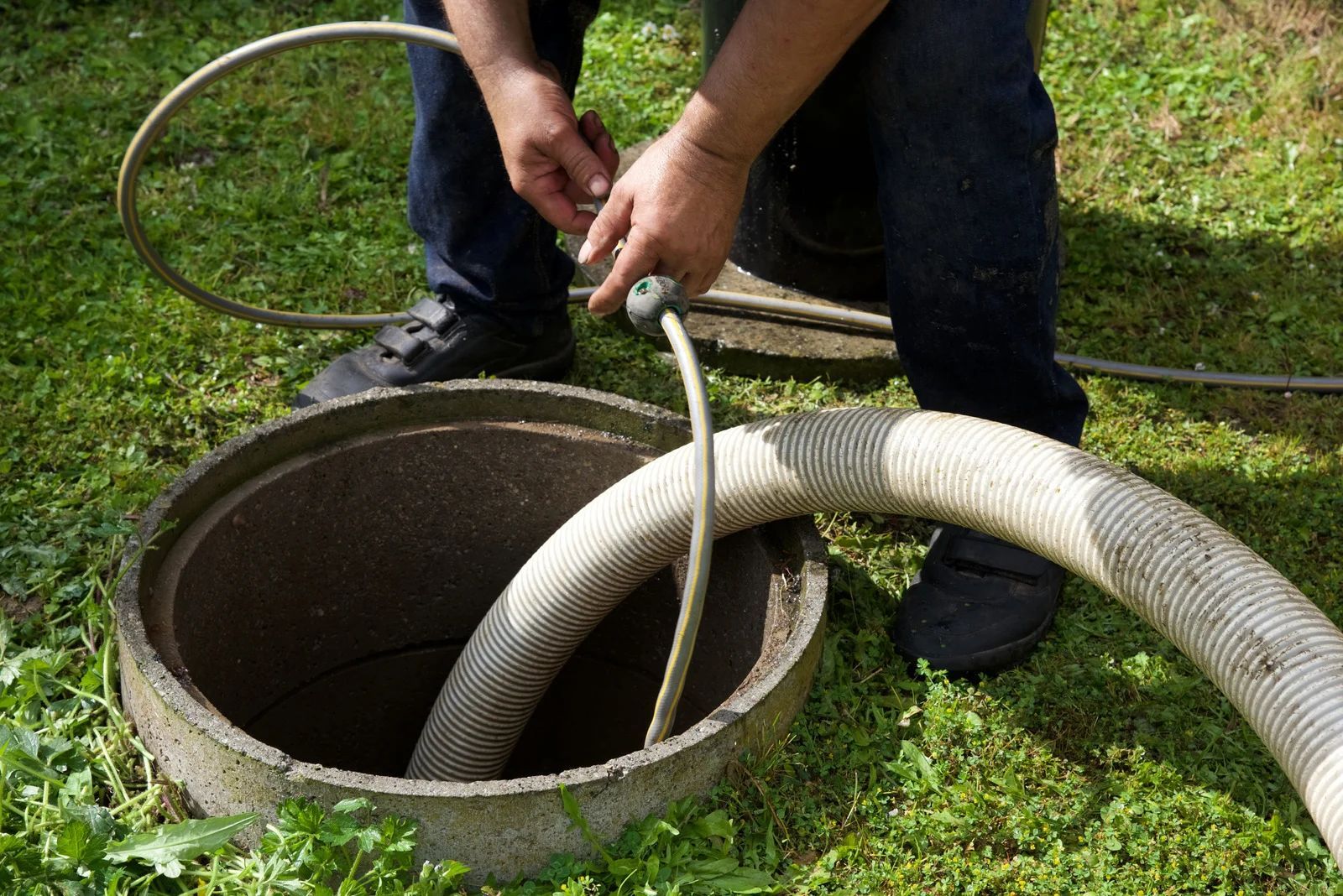
Routine drain cleaning and sewer inspections help businesses reduce unexpected blockages. Hydro jetting, camera inspections, and grease trap maintenance are valuable preventative tools for commercial properties. Establishing employee guidelines regarding waste disposal also reduces unnecessary strain on plumbing systems.
Pipe Leaks and Water Damage
Hidden pipe leaks create serious risks for commercial facilities. Even small leaks can waste significant amounts of water while damaging walls, ceilings, flooring, and electrical systems. Aging pipes, corrosion, shifting foundations, and fluctuating water pressure commonly contribute to leaks in commercial buildings.
The Hidden Cost of Undetected Leaks
Undetected leaks increase utility bills and create moisture conditions that support mold growth. Water intrusion may also weaken building materials and damage expensive equipment. Businesses operating in older properties face greater risk due to aging plumbing infrastructure.
Leak Detection Best Practices
Regular plumbing inspections help identify hidden leaks before major damage occurs. Monitoring monthly water usage can also reveal abnormal increases that indicate potential leaks. Advanced leak detection technology allows plumbing professionals to locate hidden issues with minimal disruption to operations.
Water Heater Failures
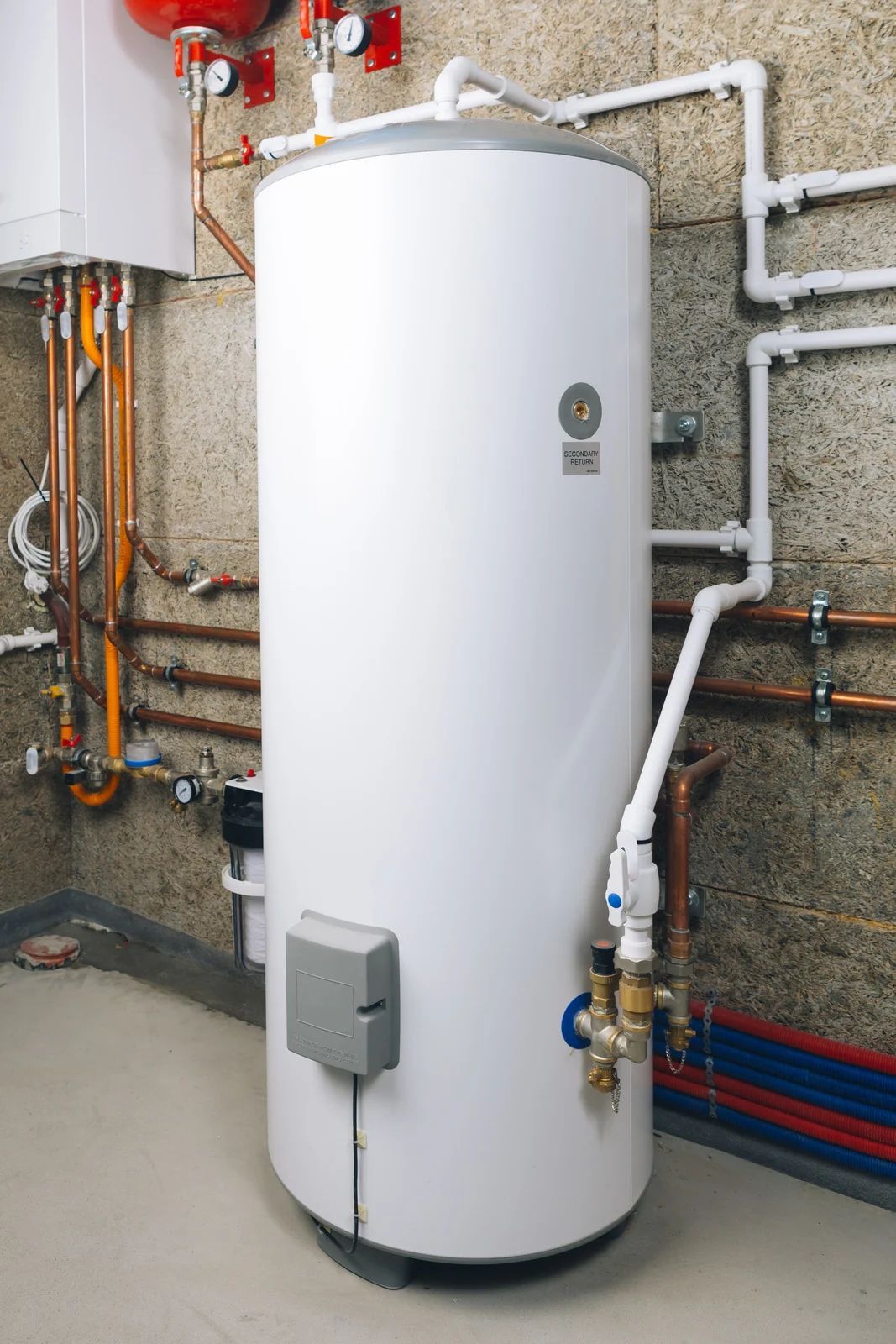
Commercial water heaters experience constant demand in many business environments. Restaurants, hotels, gyms, and healthcare facilities depend heavily on reliable hot water access for sanitation and daily operations.
Causes of Commercial Water Heater Problems
Common causes of water heater failures include:
- Sediment buildup inside tanks
- Faulty heating components
- Corrosion and rust
- Inadequate system sizing
- Lack of regular flushing and maintenance
Without proper servicing, commercial water heaters become less efficient and more vulnerable to sudden breakdowns.
Maintaining Consistent Hot Water Supply
Routine flushing, temperature monitoring, and professional inspections help extend water heater's lifespan. Businesses should also ensure systems are properly sized for operational demand to avoid unnecessary strain and inconsistent performance.
Seasonal Plumbing Challenges in Tulsa Commercial Properties
Freezing Temperatures and Pipe Damage
Tulsa businesses often experience seasonal temperature fluctuations that can place stress on plumbing systems. During colder months, unprotected pipes become vulnerable to freezing and bursting. Frozen pipes create severe water damage risks and may completely interrupt business operations.
Areas Most Vulnerable to Freezing
Commercial pipes located in:
- Exterior walls
- Crawl spaces
- Loading docks
- Warehouses
- Unheated storage areas
are particularly vulnerable during freezing conditions.
Winter Plumbing Protection Measures
Insulating exposed pipes, sealing air leaks, and maintaining indoor heating help reduce freezing risks. Businesses should also prepare emergency shut-off procedures in case pipe damage occurs during winter weather.
Risks Associated With Poor Drainage
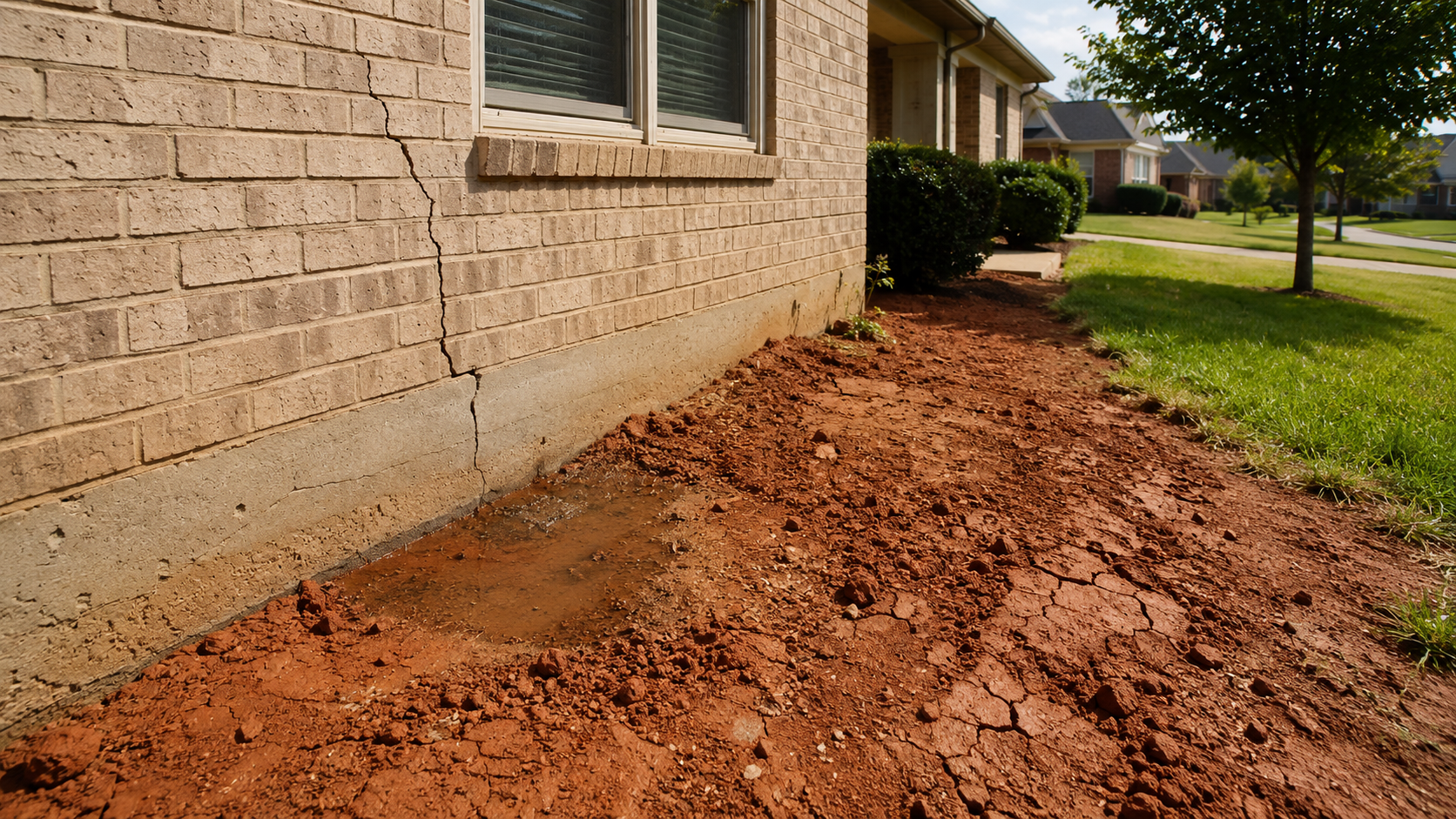
Improper drainage may cause:
- Parking lot flooding
- Foundation damage
- Landscape erosion
- Interior water intrusion
- Sewer system overload
Routine storm drain maintenance and property inspections help businesses prepare for severe weather events.
Summer Water Demand Increases
Higher summer temperatures often increase water consumption in commercial buildings. Irrigation systems, cooling equipment, and increased occupancy place additional strain on plumbing infrastructure.
Monitoring water pressure and inspecting systems during high-demand seasons helps prevent stress-related plumbing failures.
Preventative Maintenance Strategies That Reduce Downtime
Routine Plumbing Inspections
Preventative inspections remain one of the most effective ways to reduce unexpected plumbing failures. Professional evaluations identify hidden wear, corrosion, drainage issues, and equipment inefficiencies before they escalate into emergencies.
Benefits of Scheduled Inspections
Routine inspections help businesses:
- Detect leaks early
- Improve plumbing efficiency
- Extend equipment lifespan
- Maintain code compliance
- Reduce emergency repair costs
Consistent maintenance also allows businesses to budget for repairs proactively rather than reacting to sudden failures.
Employee Awareness and Plumbing Practices
Employees play a significant role in preventing commercial plumbing issues. Improper disposal practices frequently contribute to drain blockages and system strain.
Common Workplace Plumbing Mistakes
Businesses commonly experience problems caused by:
- Flushing inappropriate materials
- Pouring grease down drains
- Overloading restroom fixtures
- Ignoring minor plumbing warning signs
Providing simple plumbing awareness training can significantly reduce preventable damage.
Emergency Response Planning
Even with preventative maintenance, plumbing emergencies can still occur. Businesses benefit from having a clear emergency response plan in place.
Key Elements of a Plumbing Emergency Plan
Effective plans typically include:
- Emergency shut-off valve locations
- Contact information for plumbing professionals
- Procedures for water containment
- Employee reporting protocols
- Backup operational strategies
Preparedness minimizes downtime and helps businesses respond quickly during emergencies.
Experienced Commercial Plumbers Helping Prevent Operational Disruptions
Preventing costly plumbing downtime requires businesses to take a proactive and informed approach to commercial system maintenance. Drain blockages, hidden leaks, sewer backups, water heater failures, and seasonal plumbing challenges all have the potential to disrupt operations and increase financial strain. Understanding these common risks allows business owners and facility managers to implement preventative maintenance strategies that protect both infrastructure and productivity. Routine inspections, employee awareness, emergency preparedness, and long-term plumbing upgrades all contribute to a more reliable and efficient commercial environment. Businesses that invest in preventative plumbing care reduce operational interruptions, maintain customer confidence, and improve long-term cost control.
For businesses seeking dependable commercial plumbing support, Star Plumbing and Drains continues to provide trusted plumbing solutions backed by more than 20 years of industry experience in Tulsa, Oklahoma. Our commitment to preventative maintenance, responsive service, and professional workmanship helps businesses reduce costly downtime and maintain efficient operations throughout the year. We understand the unique plumbing demands commercial properties face and focus on delivering practical, long-lasting solutions tailored to operational needs.
From leak detection and drain maintenance to system upgrades and emergency plumbing repairs, we prioritize reliability, safety, and customer satisfaction in every service provided. Our experience working with commercial plumbing systems allows us to identify issues quickly, minimize disruptions, and help businesses protect valuable infrastructure investments. By combining industry knowledge with dependable service, we continue helping commercial property owners maintain efficient plumbing performance and avoid unnecessary operational setbacks across a wide range of industries.