Water Heater Popping or Rumbling? What Sediment Buildup Is Doing to Your Tank
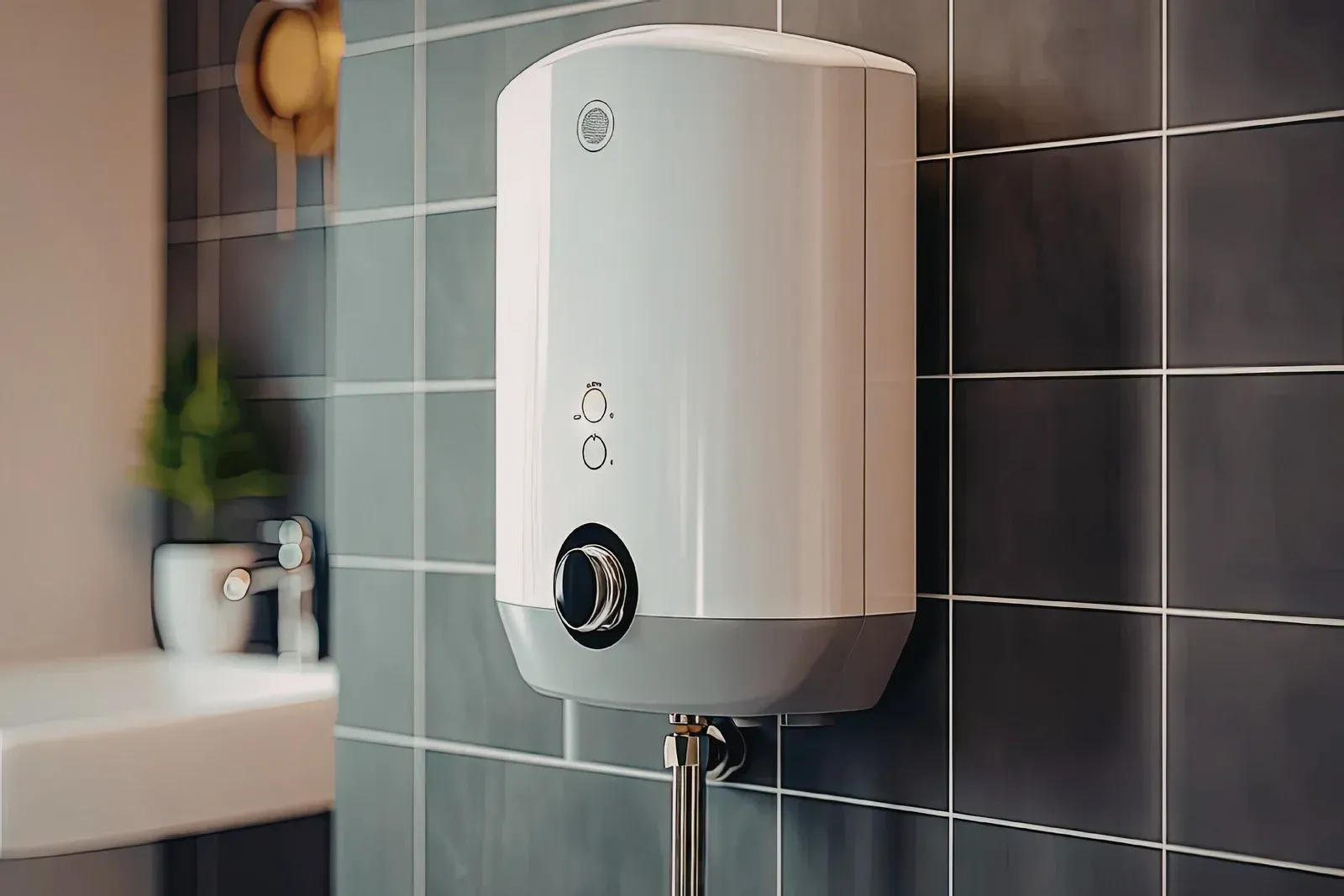
Quick Answer: A popping, knocking, or rumbling sound from a water heater almost always means sediment — minerals settled out of the water supply — has built up on the bottom of the tank. As the burner or heating element warms the water trapped underneath that layer, it turns to steam and forces its way through the buildup, and each burst is the sound you're hearing. Light popping usually clears up with a routine flush through the tank's drain valve, while a deep rumble points to buildup that's had months or years to accumulate. Left alone, sediment insulates the tank from its own heat source, which drives up energy use, slows hot water recovery, and can eventually stress the tank lining enough to cause a leak. Tulsa's water runs on the hard side depending on which treatment plant serves your address, which is part of why this shows up in local homes more often than in areas with softer supply.
The dishwasher finishes its cycle, the water heater kicks on to refill the tank, and from behind the closet door or down in the utility room, you hear it — a sharp pop, then another, then a low rumble that sounds less like plumbing and more like something rolling around loose inside a metal drum. It's not loud enough to send you running for the water shutoff, but it's new, or it's gotten worse over the past few weeks, and now you're standing there wondering whether it means anything.
Most of the time, that sound traces back to something ordinary and fixable: sediment that's settled at the bottom of the tank and hardened into a barrier between the burner or heating element and the water it's supposed to warm. Plumbers around Tulsa hear the same description on service calls all year long. It's rarely a reason to shut the system down and panic. What actually matters is figuring out how far along the buildup is before the noise stops being the biggest issue in your tank.
What's Actually Making That Sound
The mechanics behind the noise stay the same whether it's a light pop or a full rumble. Only the severity changes.
Sediment Forms A Barrier, Not Just A Layer
Minerals like calcium and magnesium don't stay dissolved once water heats repeatedly in the same tank. They separate out and settle at the bottom, gradually creating a dense layer between the heat source and water above it.
Popping Is Steam Breaking Through The Buildup
When the burner or heating element fires, water trapped beneath sediment heats and turns to steam. With nowhere else to escape, steam pushes upward through buildup, creating pockets that break free and cause popping or knocking sounds during heating.
Rumbling Means The Buildup Has Had Time To Grow
A deeper, rolling rumble instead of sharp pops usually means enough sediment has accumulated for larger steam pockets to form and move around before breaking through. If popping becomes rumbling, the buildup is likely getting thicker.
Gas And Electric Tanks Show It Differently
On a gas water heater, the burner sits directly beneath the tank where sediment collects, so noise is often sharper and easier to pinpoint. Electric tanks use submerged elements, where scale can cause crackling or sizzling sounds instead.
Why This Shows Up More in Tulsa Homes
Sediment buildup happens everywhere water heaters exist, but how fast it accumulates depends heavily on what's coming out of the tap to begin with.
Your Water Hardness Depends On Which Treatment Plant Serves You
According to the City of Tulsa, water from the A.B. Jewell plant averages about 8.2 grains per gallon, while Mohawk averages around 5.2. Both range from moderately hard to hard, meaning more dissolved calcium and magnesium can leave sediment behind.
A New Tank Can Start Showing Symptoms Sooner Than You'd Expect
Hard water doesn't wait for a tank to age before depositing minerals. A water heater installed only a year or two ago can develop noticeable popping sooner in a harder-water home because minerals accumulate with every heating cycle.
It Compounds With Usage, Not Just Time
A larger household running showers, laundry, and dishwashers daily sends more hard water through the tank, building sediment faster than a lightly used unit. Two identical heaters installed together can develop different maintenance timelines depending on how much hot water each household uses.
What Happens If You Let It Go
Sediment on its own isn't an emergency. But the way it affects the tank over time is worth understanding before you decide the noise is something to just live with.
Efficiency Drops Before Anything Visibly Fails
Sediment insulates the heat source from the water, forcing the burner or element to run longer. This increases energy use and slows recovery between uses, even though the tank may still appear to work normally.
The Tank Lining Takes The Real Long-Term Damage
Sediment can make gas burners run hotter against the same tank area repeatedly. Over time, concentrated heat may stress the protective glass lining, eventually allowing corrosion to develop and increasing the risk of leaks.
Electric Heating Elements Fail Under Scale
Mineral scale coating an electric heating element reduces heat transfer and forces it to work harder. That strain can shorten its life, with failure often causing suddenly reduced hot water rather than noticeable popping or other warning sounds.
The Drain Valve Itself Can Seize Up
Sediment can migrate into the drain valve and harden over time. On older tanks, a valve that has never been opened may refuse to operate properly, turning a routine flushing job into a more involved repair.
That's the frustrating part of sediment buildup. It doesn't announce itself with one dramatic failure. It just quietly raises your energy bill and shortens the tank's life until something finally gives.
DIY-Safe Checks Versus When to Call a Pro
A little noise doesn't automatically mean you need a service call, but it's worth knowing where the line sits before you decide to handle it yourself.
What You Can Safely Check On Your Own
Note how long popping or rumbling has continued and whether it is worsening. Check the unit's age and thermostat setting. Manufacturer labels often list installation dates near the tank's upper section.
A Light Flush Is A Reasonable DIY Task On A Younger Tank
On a younger water heater with no previous noise and a drain valve that has opened safely before, a comfortable homeowner can connect a hose and drain part of the tank to remove loose sediment.
Heavy Buildup On An Older Tank Is A Different Situation
Older tanks that have gone years without flushing may contain heavily compacted sediment. The drain valve can be corroded or clogged, making leaks or valve failure more likely when opened. A licensed plumber is safer.
WARNING: If your water heater runs on gas and you notice the popping alongside a rotten-egg smell, hissing that continues after the burner shuts off, or any sign of water pooling at the base of the tank, stop troubleshooting and call a licensed plumber. Those symptoms point past ordinary sediment buildup toward a leak or a gas-related issue, and neither is something to keep monitoring on your own.
Getting Ahead of It Going Forward
Once the current noise is dealt with, a few habits go a long way toward keeping it from coming back as quickly.
An Annual Flush Matters More On Hard Water
Manufacturer guidance generally recommends annual flushing as a baseline. Homes using Tulsa's harder water may benefit from staying closer to that schedule because mineral buildup can accumulate faster than it would with softer water supplies.
Temperature Setting Affects Both Noise And Efficiency
The U.S. Department of Energy recommends 120°F for most residential water heaters. Lowering a setting from 140°F can reduce mineral scaling, slow sediment buildup, decrease standby energy loss, and improve overall efficiency.
TIP: If popping or rumbling keeps returning within just a few months of a flush, that pattern usually points to unusually hard water rather than a flushing schedule that's too infrequent. A whole-house water softener or filtration system addresses the mineral content before it ever reaches the tank, which is worth discussing with a plumber if flushing alone isn't keeping the noise away.
Tankless Units Aren't Immune, Just Different
Tankless water heaters don't store water, so they avoid bottom-of-tank sediment layers. However, hard water can still create scale inside heat exchangers, causing reduced flow or inconsistent temperatures and requiring periodic descaling to maintain performance.
What Getting It Checked Actually Involves
A service call for water heater noise typically starts with the same questions you'd ask yourself — how long, how loud, gas or electric, how old — followed by a look at the tank itself. A plumber checks the drain valve's condition before attempting a full flush, since a valve that's already compromised changes the approach. On gas units, the burner assembly gets inspected for scorching or damage from sediment-related overheating. On electric tanks, pulling the access panel to inspect the elements directly for scale confirms whether cleaning or replacement makes more sense than a flush alone. That inspection step is what separates a tank that just needs routine maintenance from one that's closer to the end of its service life.
Frequently Asked Questions
Is it safe to keep using a water heater that's popping or rumbling?
Yes, in most cases, at least in the short term. The noise isn't dangerous and usually points to sediment buildup rather than a safety issue. Ignoring it lets sediment grow, raising the risk of damage.
How much sediment is considered normal in a water heater?
Some sediment is normal in any tank-style water heater, since minerals naturally settle during heating. What isn't normal is buildup thick enough to cause popping or rumbling, meaning the tank has gone too long unflushed.
Can a tankless water heater develop the same kind of noise?
Not the same popping sound, since tankless units don't hold standing water the way tank models do. Hard water still deposits scale inside the heat exchanger, showing up as reduced flow or inconsistent temperature instead.
Why does my electric water heater sound different than a gas one?
Gas tanks heat from a burner directly beneath the tank, right where sediment collects, so popping sounds sharper. Electric tanks heat through submerged elements, where mineral scale builds up instead, often producing crackling or sizzling.
If I flush the tank, will the noise be gone for good?
A flush clears existing sediment and usually stops the noise right away, but it doesn't slow new buildup. If your water runs hard, sediment starts accumulating again, and the noise returns depending on flushing habits.
How do I know if the noise means my water heater needs to be replaced instead of flushed?
Age matters most here. A tank under eight to ten years old with no other symptoms is usually a good flush candidate. An older tank showing rust-colored water or a leak needs an inspection first.
Catching Sediment Before It Becomes a Bigger Problem
A popping or rumbling water heater is rarely something to panic over, but it's not a sound worth ignoring either. It marks sediment quietly working its way toward a bigger problem, one that can end in a stuck drain valve, a stressed tank lining, or a heating element that gives out sooner than it should. Catching the noise early, while it's still a light pop rather than a steady rumble, keeps the fix simple and the tank running the way it was built to.
That kind of attention is second nature for a team based in Tulsa, OK, with more than two decades of hands-on plumbing experience behind it. Star Plumbing and Drains
has built its reputation on understanding how the area's harder water shapes what happens inside a tank over time, backed by 20+ years in the field. It's the kind of familiarity that turns a strange noise into a clear diagnosis, and a water heater that keeps doing its job quietly for years longer than it otherwise would.