How to Know When Your Water Heater Needs Repair or Replacement
You turn the shower handle expecting warmth and get a slow fade into cold. Or you walk past the utility closet and notice a damp ring spreading under a tank that was bone dry last week. Maybe it is a low rumble that kicks on every time the burner fires, a sound that simply was not there a year ago.
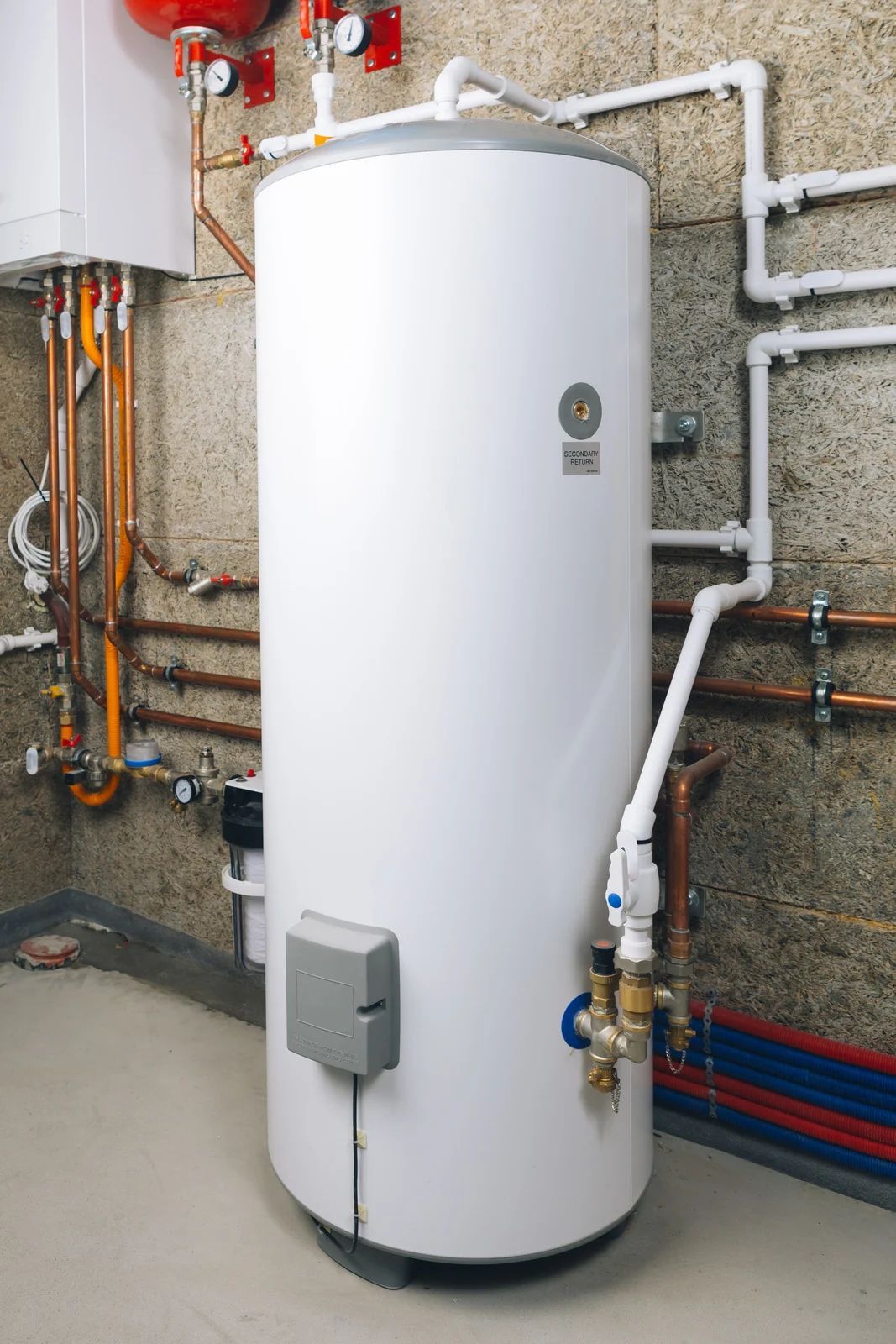
These moments are how most water heater problems announce themselves, quietly at first, then all at once. The single most useful thing to know right now is that the difference between a quick fix and a full replacement usually comes down to three things: the age of the unit, where the water is escaping from, and what the tank sounds like when it runs. A heater dripping from a fitting can often be repaired. A tank leaking from its body almost never can. After working on these units in thousands of homes, we can tell you that catching the early signals is what saves you from the worst version of this problem, which is a soaked floor and an unplanned weekend without hot water.
What to Do the Moment You Notice a Problem
- Note where the water or symptom is coming from. Top fittings, the base of the tank, or the discharge pipe each point to a different cause.
- Check the age. Look for the manufacture date in the serial number on the rating label. Most tanks run 8 to 12 years.
- For electric units, check the breaker. For gas units, confirm the pilot or burner is lit.
- If you see standing water at the base, shut off the water supply and the power or gas before anything else.
WARNING: If you smell gas near a water heater, do not flip switches, light anything, or run electrical appliances in that space. Leave the area and shut the gas off at the meter if you can do so safely. A gas leak around a heater is an emergency, not a maintenance item.
TIP: Place a dry paper towel under every fitting and at the base of the tank, then check back in an hour. This tells you instantly whether you are dealing with a repairable connection leak or a tank that has started to fail from the inside.
What Is Actually Going Wrong Inside the Tank
The most common cause of water heater trouble is sediment. Our water carries a heavy load of dissolved minerals, and every time the burner or element heats the water, those minerals settle and harden at the bottom of the tank. Over a few years that layer can grow more than an inch thick. It insulates the water from the heat source, forces longer heating cycles, and bakes against the steel until the bottom of the tank weakens.
Secondary causes that homeowners often misread include a spent anode rod and a failing dip tube. The anode rod is a sacrificial metal core that corrodes on purpose so the tank does not. Once it dissolves away, usually somewhere around the five year mark in mineral heavy water, the steel tank starts rusting from the inside, which shows up as brown or metallic hot water. A cracked dip tube sends incoming cold water straight to the top, so you run out of hot water far sooner than the tank size suggests.
Less common are thermostat and heating element failures, which cause water that is either scalding, lukewarm, or wildly inconsistent. Hard cold snaps in our region add their own stress, since the heater works harder to warm incoming water that is much colder in January than in July, accelerating wear on units that are already aging.
Quick Diagnostic Guide
Several specialized plumbing systems play essential roles in maintaining industrial facility performance. Understanding these systems helps businesses prioritize maintenance and infrastructure upgrades.
| What You're Seeing | Most Likely Cause | Severity | First Step to Take |
|---|---|---|---|
| Water cools fast mid shower | Sediment cutting tank capacity or weak lower element | Medium | Drain and flush the tank |
| No hot water at all | Tripped breaker, failed thermostat, or out pilot | Medium | Check breaker and pilot |
| Rusty or brown hot water | Internal corrosion or spent anode rod | High | Schedule inspection, plan replacement |
| Popping or rumbling sound | Hardened sediment at the tank base | Medium | Flush the tank |
| Water pooling at the base | Tank wall leak | High | Shut off water and power, call us |
| Drip at top fittings | Loose connection or failing valve | Low | Tighten fitting and monitor |
| Higher energy use | Sediment forcing longer heating cycles | Low | Flush and check the setting |
| Metallic or smelly hot water | Deteriorating anode rod | Medium | Replace anode rod, flush |
| Water too hot to touch | Stuck thermostat | High | Lower setting, shut off if no change |
| Rust on the tank exterior | Advanced corrosion moving outward | High | Plan replacement |
How We Diagnose It in the Field
We start with the rating label to confirm age and capacity, then run a hand over the entire tank and every fitting to trace any moisture to its true source. Water travels, so a wet floor under the front does not always mean the leak starts there. Next we test the thermostats and elements with a multimeter on electric units, or inspect the burner, thermocouple, and flue on gas units. We open the drain valve to see what comes out, since a heavy gray sludge tells us sediment is the real story. On service calls we frequently find that a heater written off as dead just needs a thorough flush and a fresh anode rod, while a unit the owner hoped to save is already rusting through.
Repair, or Replace
A water heater is worth repairing when the problem lives outside the tank. A leaking valve, a bad element, a tired thermostat, or a clogged dip tube are all straightforward fixes that buy years of service. Flushing sediment and swapping the anode rod can revive a unit that seems to be on its last legs.
Replacement becomes the honest answer when the tank itself is the problem. Once water is seeping through the steel body or the hot water runs rusty no matter how often we flush, no repair holds for long. Here is how to weigh it.
| Factor | Lean Toward Repair | Lean Toward Replace |
|---|---|---|
| Age | Under 8 years | Over 10 years |
| Leak source | Fittings or valves | Tank body |
| Pattern of issues | First real problem | Repeated failures |
| Water clarity | Clear | Rusty or discolored |
| Recovery after service | Returns to normal | Stays cold or weak |
Honest answer: sometimes a repair holds for years and sometimes it only masks a tank that is already failing. Age and the source of the leak tell you which one you are looking at.
Why Heaters Wear Out Faster in Our Area
Our local water carries enough mineral content that sediment builds noticeably faster than the national average. That means anode rods deplete sooner and tanks reach the popping, rumbling stage earlier in their lives. Winter temperature swings add to it. When incoming water drops sharply, the burner cycles longer and the tank works harder, which pushes an already worn unit toward failure right when you least want a cold shower. Homes on older supply lines tend to see this even sooner.
Keeping Yours Running Longer
Monthly, glance at the base and fittings for any sign of moisture. Quarterly, test the temperature and pressure relief valve by lifting the lever briefly. Annually, drain and flush several gallons to clear sediment before it hardens, and have the anode rod checked, especially with our mineral heavy water, since waiting too long is the most common reason a salvageable tank ends up scrapped. Setting the temperature to a moderate level rather than maximum slows mineral buildup and eases the load through cold months.
Frequently Asked Questions
How long should a water heater last?
Most tank units last 8 to 12 years. In our region, heavy mineral content shortens that range, so plan for the lower end and start watching closely once a unit passes the eight year mark.
Is a leaking water heater dangerous?
A small fitting drip is mostly a nuisance, but water pooling at the base signals a failing tank. Shut off the supply and power right away, since the leak rarely stops and can flood the space quickly.
Why does my heater fail sooner here?
Local water carries a heavy mineral load, so sediment hardens faster and anode rods wear out earlier. Combined with sharp winter cold, tanks here often show trouble a year or two ahead of the national average.
Can I flush the tank myself?
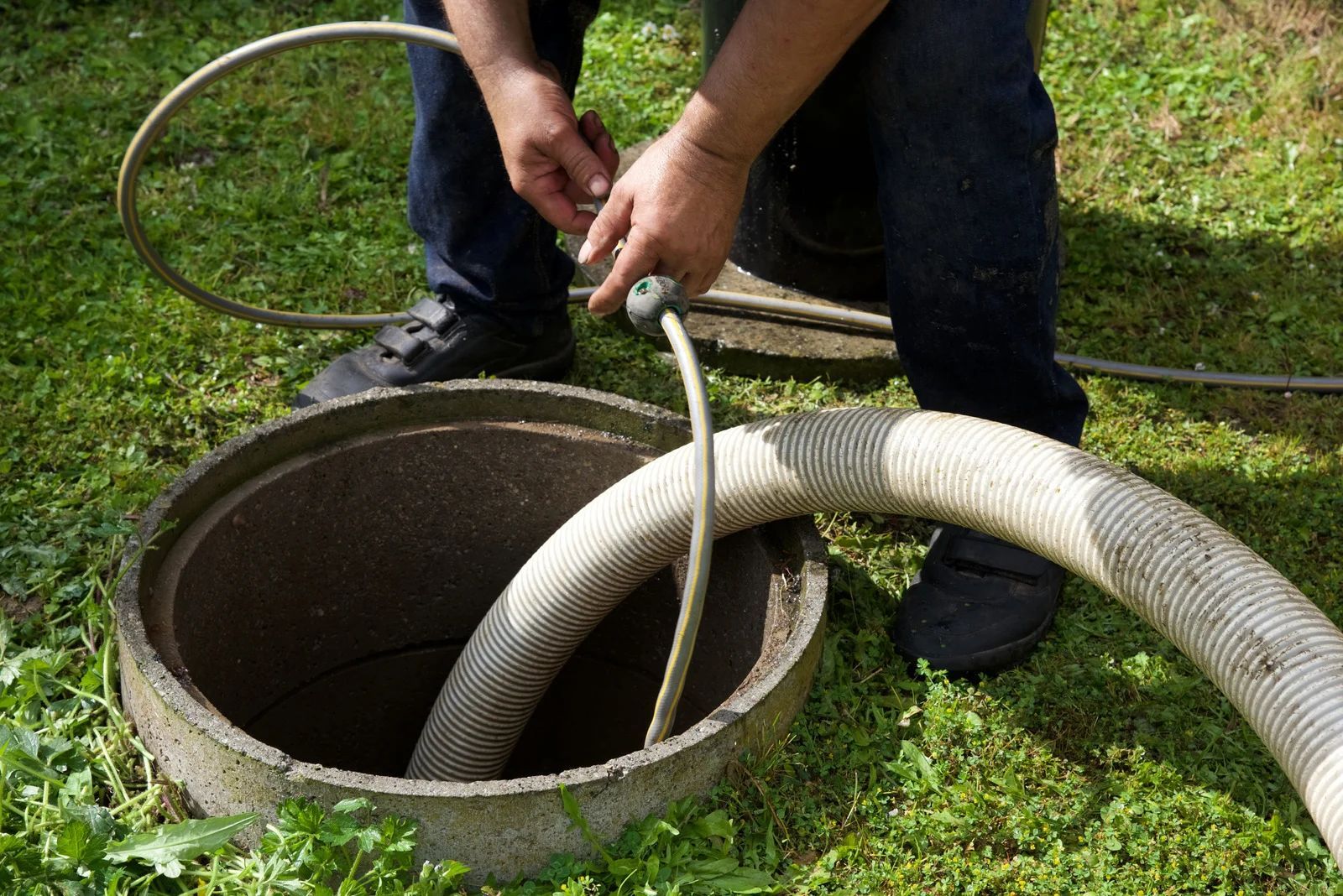
Many homeowners can. Shut off the power or gas, connect a hose to the drain valve, and run the water until it clears. If the flow stays clogged or murky, call us before forcing it.
Does a popping sound mean replacement?
Not usually. Popping is hardened sediment heating unevenly at the base. A thorough flush often quiets it. If the noise returns fast and the water runs rusty, the tank itself is likely the real issue.
Reliable Water Heater Service Tulsa Homeowners Depend On
The clearest rule is simple: a leak at a fitting can be fixed, but a leak from the tank body and rusty water both point to replacement. These problems move faster in our area because mineral heavy water and cold winters wear tanks down ahead of schedule. At Star Plumbing and Drains, we have spent more than 20 years diagnosing and replacing water heaters across Tulsa, Oklahoma, and the surrounding areas. If your hot water is fading, rumbling, or pooling on the floor, reach out and we will tell you honestly whether yours has years left or needs replacing now.