Industrial Plumbing 101: Key Systems That Keep Your Facility Running Smoothly
Industrial plumbing systems form the backbone of modern facilities, supporting manufacturing plants, warehouses, food processing operations, healthcare institutions, and commercial buildings that depend on uninterrupted water flow and waste management. Unlike residential plumbing, industrial systems operate under higher pressure, greater demand, and stricter compliance requirements. A single plumbing failure can halt production, damage equipment, create safety risks, and increase operational costs. Because of this, facility managers and business owners must understand the key systems that keep operations stable, efficient, and compliant. Industrial plumbing systems also contribute to workplace safety, sanitation, and environmental compliance. Reliable infrastructure helps facilities maintain uninterrupted workflows while reducing the risk of costly operational delays and emergency repairs.
From water supply networks and drainage systems to backflow prevention and industrial-grade piping, every component plays a critical role in daily performance. Proper maintenance and strategic upgrades help facilities reduce downtime, improve water efficiency, and maintain consistent operational output. As industries continue to modernize, plumbing infrastructure must also evolve to support changing production demands, sustainability goals, and regulatory standards. Understanding how industrial plumbing systems function allows businesses to make informed decisions that protect infrastructure, preserve productivity, and maintain long-term operational reliability in highly demanding environments. Facilities that invest in advanced plumbing solutions are often better equipped to improve efficiency, support future expansion, and control long-term operating costs. A proactive approach to industrial plumbing also strengthens equipment performance and helps businesses adapt to evolving industry standards.
Understanding the Core Components of Industrial Plumbing Systems
Industrial plumbing systems are designed to handle complex operations that require precision, durability, and continuous performance. Unlike smaller commercial systems, industrial plumbing supports large-scale water distribution, waste management, process piping, and equipment integration. Each component works together to maintain operational stability across the entire facility.
Water Supply Infrastructure
Water supply systems are responsible for delivering clean water throughout the facility at the required pressure and volume. Industrial facilities often rely on large-diameter piping, pressure regulators, pumps, and storage tanks to meet demand. Consistent water pressure is essential for production lines, sanitation systems, cooling equipment, and employee facilities.
Facilities that experience fluctuating water pressure may encounter equipment failures, production delays, or inconsistent cleaning performance. Properly sized supply lines and pressure balancing systems help prevent these issues.
Industrial Drainage Systems
Drainage systems remove wastewater, chemical runoff, and production waste safely and efficiently. In industrial environments, drainage systems must handle higher volumes and more complex waste materials than traditional plumbing systems.
Floor drains, trench drains, grease interceptors, and sump systems are commonly used to prevent backups and maintain sanitary conditions. Routine inspections help identify clogs, corrosion, and sediment buildup before serious disruptions occur.
Process Piping Networks
Many industrial facilities use process piping to transport steam, chemicals, compressed air, or specialized liquids. These systems require precise installation and durable materials capable of withstanding temperature fluctuations, corrosive substances, and pressure changes.
Selecting the correct piping material is critical. Stainless steel, copper, PVC, and CPVC are commonly used depending on operational requirements. Facilities that overlook material compatibility often face premature system deterioration and costly repairs.
The Importance of Preventive Plumbing Maintenance
Preventive maintenance is one of the most effective ways to keep industrial plumbing systems functioning efficiently. Reactive repairs often lead to unplanned downtime, emergency expenses, and operational interruptions that affect productivity.
Identifying Small Problems Before They Escalate
Minor leaks, pressure inconsistencies, and slow drainage may seem insignificant initially, but these issues often signal larger underlying problems. Small pipe leaks can gradually weaken infrastructure, increase utility costs, and damage surrounding equipment.
Routine inspections allow maintenance teams to detect early warning signs before system failures occur. Thermal imaging, pressure testing, and video pipe inspections provide valuable insights into system performance without disrupting operations.
Extending Equipment Lifespan
Industrial plumbing systems support expensive machinery and production equipment that depend on reliable water flow and drainage. Poor plumbing performance can shorten equipment lifespan by causing overheating, corrosion, mineral buildup, or inconsistent pressure.
Preventive maintenance helps protect connected equipment while improving operational efficiency. Facilities that schedule regular servicing often experience lower repair costs and fewer unexpected shutdowns.
Supporting Regulatory Compliance
Industrial facilities must comply with strict local, state, and federal plumbing regulations. Failure to maintain plumbing systems can result in health hazards, environmental violations, or failed inspections.
Backflow prevention devices, wastewater treatment systems, and chemical disposal systems require regular testing and maintenance to remain compliant. Consistent documentation of inspections and repairs also helps facilities demonstrate compliance during audits.
Reducing Long-Term Operating Costs
Emergency plumbing repairs are typically more expensive than scheduled maintenance. Water damage, production delays, and equipment downtime can significantly increase operational expenses.
By investing in preventive maintenance, facilities can minimize emergency service calls, improve water efficiency, and reduce utility costs. Predictable maintenance schedules also make budgeting more manageable for facility managers.
Key Plumbing Systems That Support Facility Operations
Several specialized plumbing systems play essential roles in maintaining industrial facility performance. Understanding these systems helps businesses prioritize maintenance and infrastructure upgrades.
Backflow Prevention Systems
Backflow prevention devices protect clean water supplies from contamination caused by pressure reversals. Industrial facilities often use chemicals, cleaning agents, and process fluids that could contaminate potable water if backflow occurs.
Routine testing ensures backflow preventers operate correctly and comply with safety regulations. Facilities that neglect backflow testing risk health hazards, operational disruptions, and potential regulatory penalties.
Boiler and Hot Water Systems
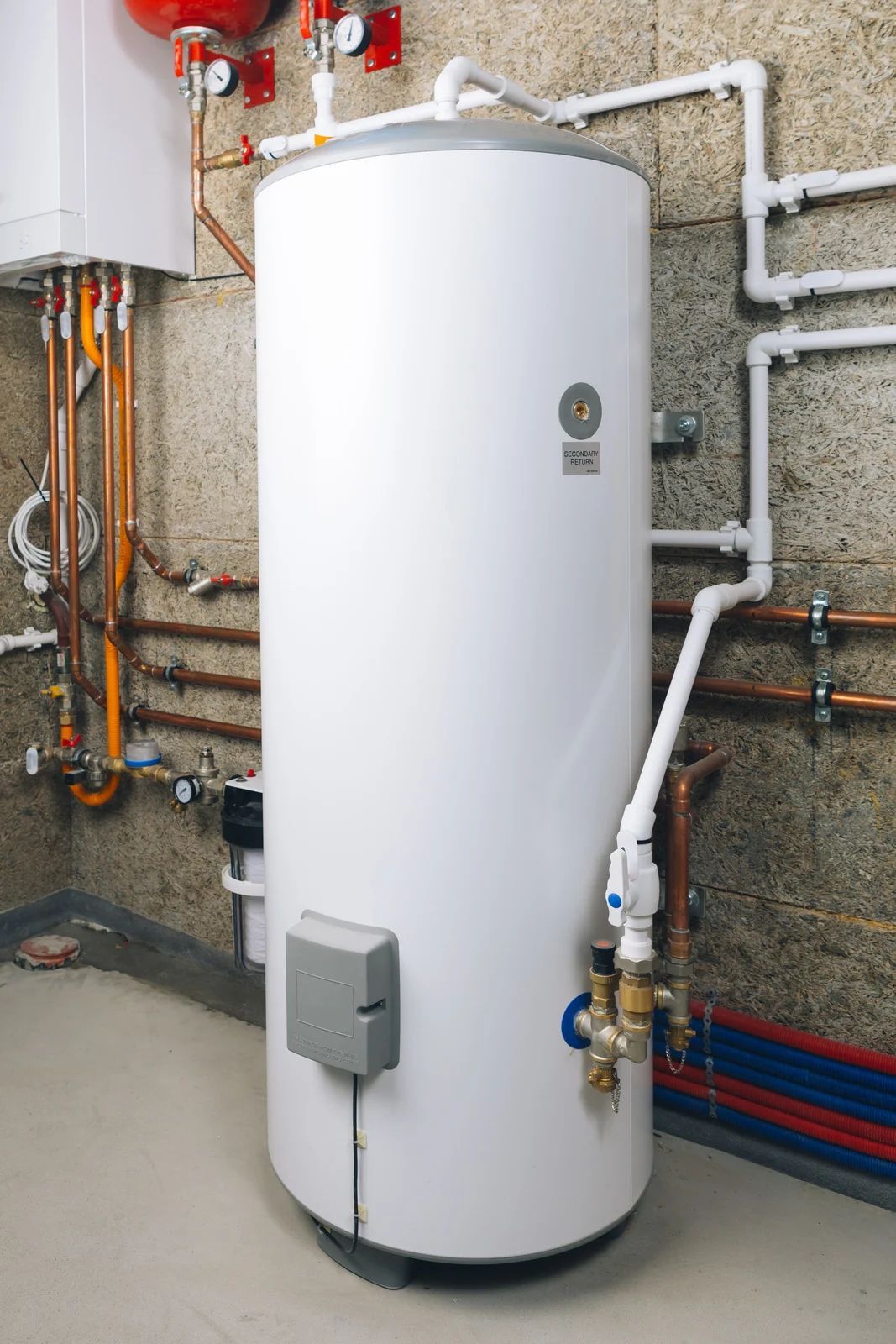
Many industrial operations depend on hot water and steam for sanitation, heating, and production processes. Boiler systems require consistent maintenance to operate safely and efficiently.
Sediment buildup, pressure imbalances, and aging components can reduce boiler performance over time. Regular flushing, pressure checks, and valve inspections help maintain reliability while improving energy efficiency.
Grease Management Systems
Food processing facilities, commercial kitchens, and manufacturing plants often generate grease and oily wastewater that can damage drainage systems. Grease interceptors and traps help separate fats, oils, and grease before they enter sewer lines.
Without proper grease management, facilities may experience severe drain blockages, foul odors, and environmental violations. Scheduled cleaning and inspections help prevent costly backups and maintain sanitation standards.
Sump Pump and Flood Prevention Systems
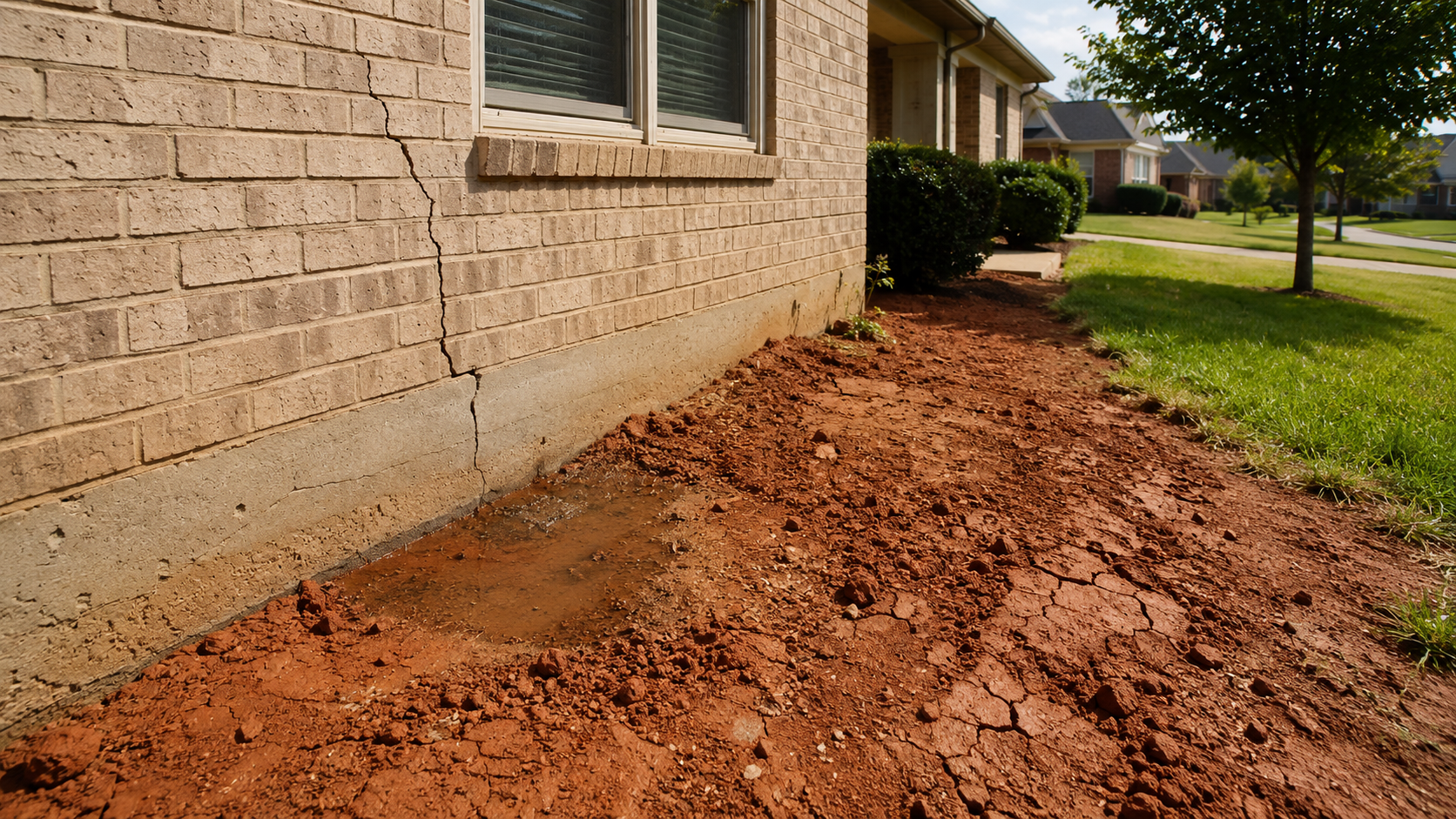
Industrial facilities frequently rely on sump pumps to prevent flooding in basements, mechanical rooms, and production areas. Heavy rainfall, groundwater intrusion, or equipment leaks can quickly cause water accumulation that damages infrastructure.
Reliable sump pump systems help protect sensitive equipment and reduce downtime during severe weather events. Backup power systems and routine pump testing further improve flood protection reliability.
Common Industrial Plumbing Challenges and How to Prevent Them
Industrial plumbing systems operate under demanding conditions that increase wear and tear over time. Recognizing common challenges helps facilities implement proactive solutions before serious failures occur.
Corrosion and Pipe Deterioration
Corrosion is one of the leading causes of industrial plumbing failures. Exposure to chemicals, moisture, and fluctuating temperatures gradually weakens piping materials.
Corroded pipes can develop leaks, restrict water flow, and contaminate water supplies. Regular inspections and corrosion-resistant materials help extend system lifespan.
In facilities that handle aggressive chemicals, specialized coatings and protective linings provide additional durability. Water quality testing also helps identify conditions that accelerate corrosion.
Water Pressure Fluctuations
Inconsistent water pressure affects equipment performance, sanitation systems, and production efficiency. Pressure surges may damage valves, fixtures, and connected machinery.
Pressure regulators, booster pumps, and monitoring systems help maintain stable water flow throughout the facility. Identifying pressure issues early prevents costly system damage and operational interruptions.
Drain Blockages and Waste Accumulation
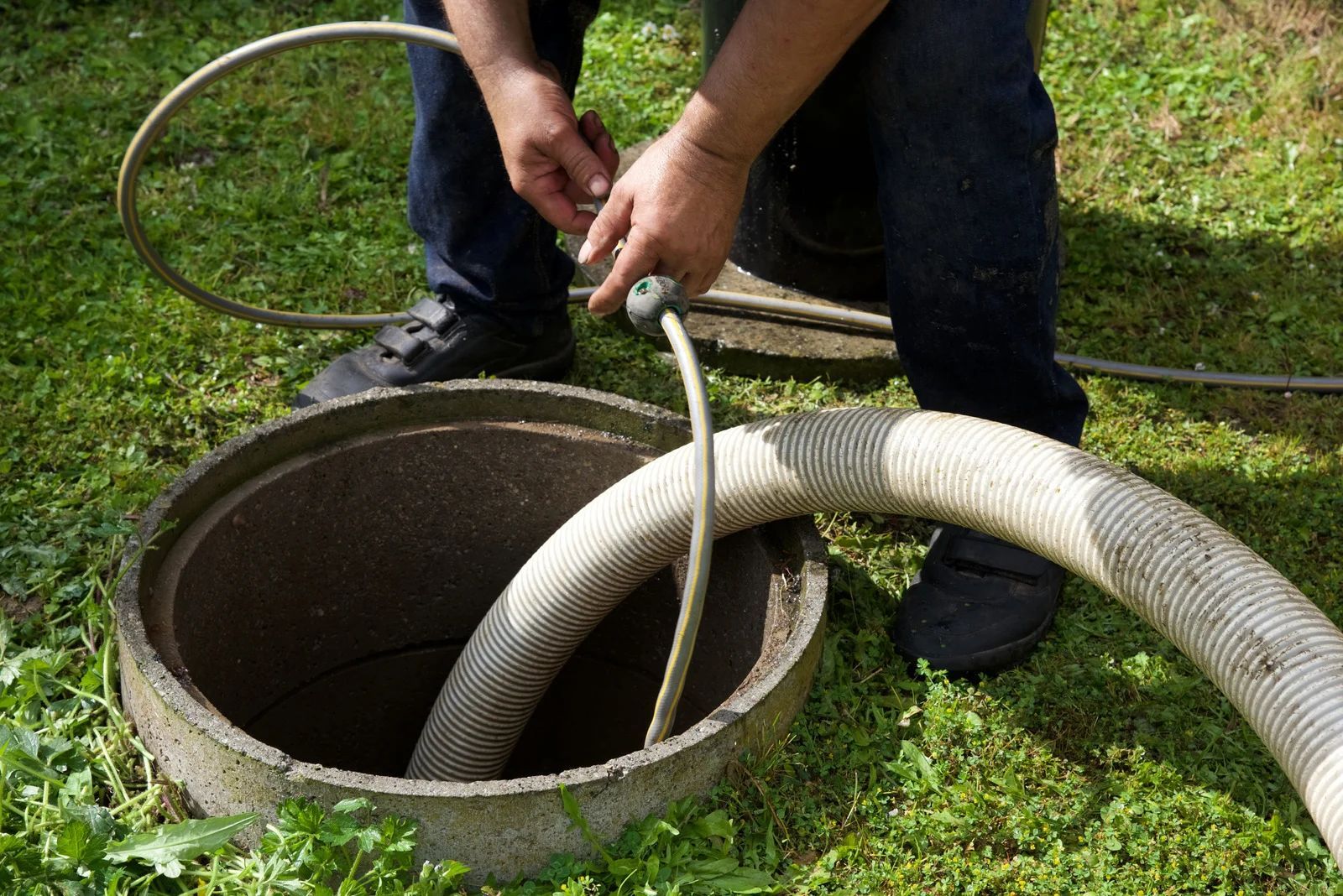
Industrial drains often handle debris, grease, sediment, and production waste that increase the risk of blockages. Slow drainage can eventually lead to backups, flooding, and sanitation concerns.
Routine drain cleaning and hydro jetting help remove buildup before complete blockages occur. Installing drain screens and implementing proper waste disposal practices also reduce clogging risks.
Aging Infrastructure
Older industrial facilities frequently operate with outdated plumbing infrastructure that no longer meets current operational demands. Aging pipes, deteriorating valves, and obsolete fixtures increase the likelihood of system failures.
Infrastructure upgrades improve efficiency, reliability, and compliance with modern standards. Replacing outdated components before failure occurs reduces emergency repair costs and minimizes operational disruptions.
Expert Plumbing Services Supporting Reliable Industrial Operations
Industrial plumbing systems are essential to maintaining safe, efficient, and productive facility operations. From water supply infrastructure and drainage systems to backflow prevention and process piping, every component contributes to operational reliability. Facilities that prioritize preventive maintenance, system upgrades, and efficient plumbing practices are better equipped to reduce downtime, control operating costs, and maintain regulatory compliance.
Understanding common plumbing challenges allows facility managers to address issues proactively before they disrupt production or damage infrastructure. Consistent inspections, smart monitoring technology, and strategic maintenance planning all play important roles in long-term plumbing performance. As industrial operations continue evolving, dependable plumbing systems remain a critical investment that supports productivity, safety, and sustainability across every stage of facility management.
For businesses seeking reliable plumbing support, Star Plumbing and Drains
provides professional industrial plumbing solutions backed by more than 20
years of industry experience in Tulsa, Oklahoma. We understand the unique challenges industrial facilities face when managing high-demand plumbing systems, process piping, drainage infrastructure, and emergency repairs. Our approach focuses on delivering dependable service, efficient problem-solving, and long-term system reliability that helps facilities operate without unnecessary disruptions.