10 Common Residential Plumbing Issues Every Tulsa Homeowner Should Know
Plumbing is one of the most critical systems in any home, yet it often goes unnoticed until a problem arises. For homeowners in Tulsa, Oklahoma, understanding common plumbing issues is not just about maintenance—it is about protecting property value, ensuring safety, and preventing costly repairs. From minor leaks to major pipe failures, plumbing problems can disrupt daily routines, damage structures, and increase utility bills. Being aware of the most frequent issues allows homeowners to take proactive measures, reducing stress and saving money in the long run.
The relevance of residential plumbing knowledge extends beyond mere convenience. It encompasses water conservation, sanitation, and structural integrity, all of which are vital in modern homes. Plumbing systems in older properties or areas with hard water can face unique challenges, requiring timely inspections and preventive strategies. This blog highlights ten common residential plumbing issues every Tulsa homeowner should recognize. By understanding the causes, warning signs, and best practices for each issue, homeowners can make informed decisions, protect their investment, and maintain a safe and efficient household.
1. Leaky Faucets and Fixtures
Causes of Leaks
Leaky faucets are one of the most frequent plumbing problems in residential homes. They are often caused by worn-out washers, damaged O-rings, or corroded valve seats. Even minor leaks, such as a single drip per second, can waste over 3,000 gallons of water annually.
Identifying Leaks Early
Homeowners should routinely check faucets, showerheads, and exposed plumbing joints for signs of drips or water accumulation. Moisture around sink cabinets, discoloration, or a damp floor near fixtures often signals a hidden leak.
Preventive Measures and Benefits
Replacing worn washers, tightening connections, and ensuring proper installation can prevent leaks. Installing water-efficient fixtures not only reduces waste but also promotes long-term savings. Proactive maintenance enhances water conservation, reduces household costs, and extends the lifespan of plumbing fixtures.
2. Clogged Drains and Slow Draining Water
Common Causes
Clogged drains are a pervasive issue in kitchens and bathrooms. Hair, soap residue, grease, and food particles often accumulate inside pipes, causing slow drainage. Kitchen sinks are particularly vulnerable to grease build-up, while bathroom drains frequently suffer from hair accumulation.
Warning Signs
Slow drainage, gurgling noises, and foul odors are indicators of partial or complete blockages. Ignoring these signs can lead to backups, water overflow, and even pipe bursts. Recognizing early symptoms allows for prompt intervention, saving time and avoiding more extensive repairs.
Best Practices for Prevention
Regular cleaning with non-corrosive drain solutions, installing hair strainers, and avoiding grease disposal down sinks can significantly reduce clog risks. Professional drain inspections every few years help detect hidden obstructions before they escalate into costly emergencies. Proper drain maintenance also ensures optimal water flow and overall plumbing efficiency.
3. Running Toilets
Understanding the Issue
A running toilet is a common plumbing problem that wastes water and increases utility bills. It typically occurs due to a faulty flapper, worn-out fill valve, or improper water level adjustment in the tank.
Diagnosing and Resolving
Identifying a running toilet often involves observing the water level and listening for constant movement in the tank. Adjusting the flapper, replacing the fill valve, or correcting the float mechanism often resolves the issue. Ignoring a running toilet can lead to additional stress on the sewage system and potential water damage to the bathroom floor.
Preventive Tips
Regular inspection and timely replacement of toilet components maintain efficiency. Installing modern, water-saving toilets reduces consumption and supports sustainable water use. Routine maintenance prevents leaks, prolongs fixture life, and contributes to a quieter, trouble-free home environment.
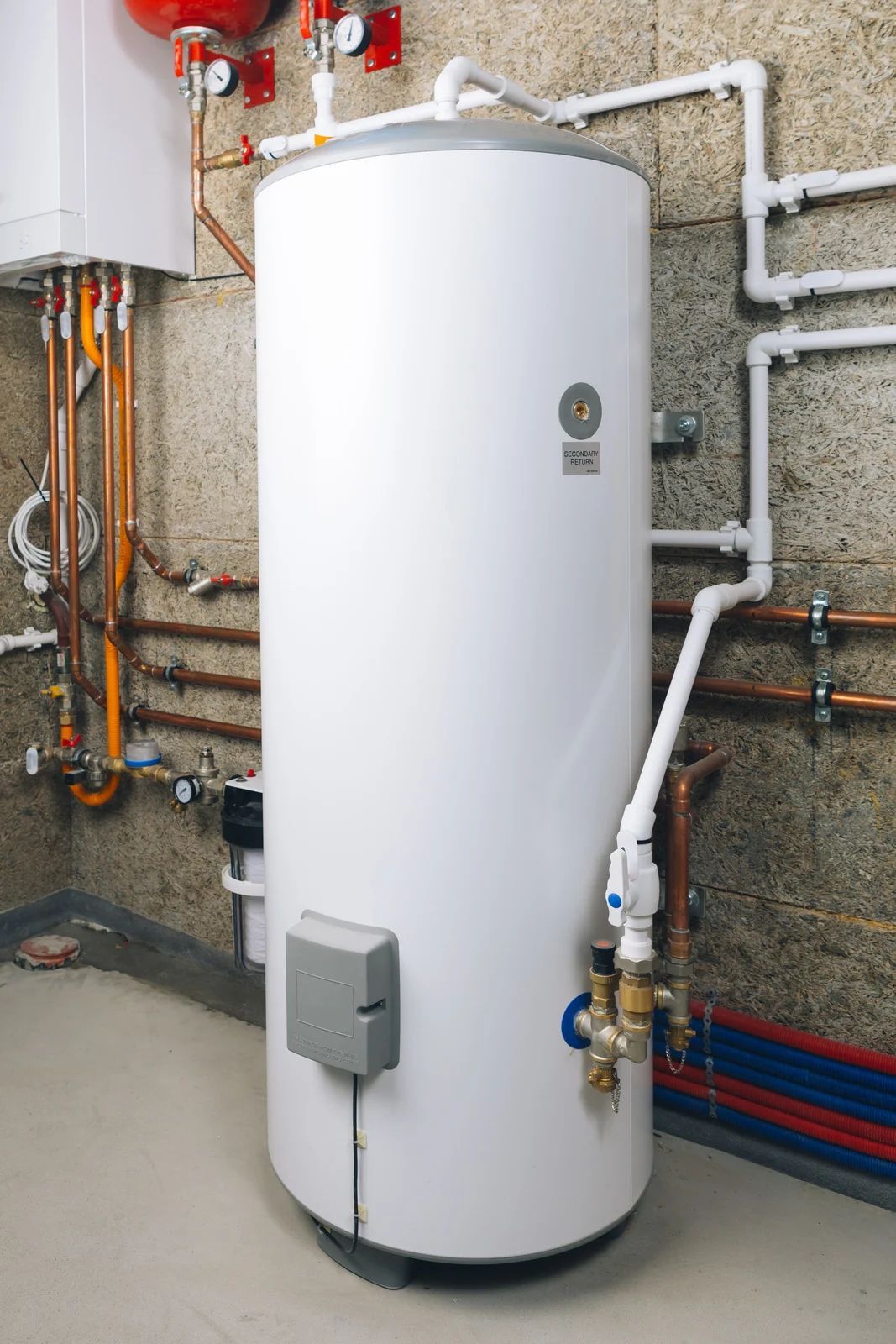
4. Water Heater Malfunctions
Common Problems
Water heaters are essential for daily comfort, but they are prone to several issues. Sediment buildup in the tank reduces heating efficiency, while worn-out heating elements or thermostats can result in inconsistent water temperatures. Leaks around the tank or corrosion in older units may necessitate replacement.
Warning Signs
Cold showers, discolored water, unusual noises, and low water pressure indicate potential water heater problems. Regular inspection can prevent sudden failures, which may otherwise disrupt household routines and require emergency repairs.
Maintenance and Longevity
Flushing the tank annually, checking pressure relief valves, and monitoring water quality are key preventive measures. Installing a water softener in areas with hard water helps prevent scale buildup. Proper maintenance ensures a reliable hot water supply, extends the life of the unit, and reduces energy consumption.
5. Low Water Pressure
Causes of Low Pressure
Low water pressure can occur due to clogged aerators, pipe corrosion, mineral deposits, or leaks in the plumbing system. Older homes may experience pressure loss due to deteriorating supply lines, while municipal water fluctuations can also play a role.
Identifying the Problem
Weak water flow in sinks, showers, or outdoor faucets signals pressure issues. Sudden changes in pressure when multiple fixtures operate simultaneously often indicate pipe obstructions or partial blockages. Accurate diagnosis is essential for effective resolution.
Solutions and Best Practices
Cleaning or replacing faucet aerators, descaling pipes, and repairing leaks are effective remedies. Installing a pressure regulator ensures consistent water flow throughout the home. Regular monitoring of water pressure prevents damage to appliances and enhances daily comfort.
6. Pipe Leaks and Bursts
Causes and Risks
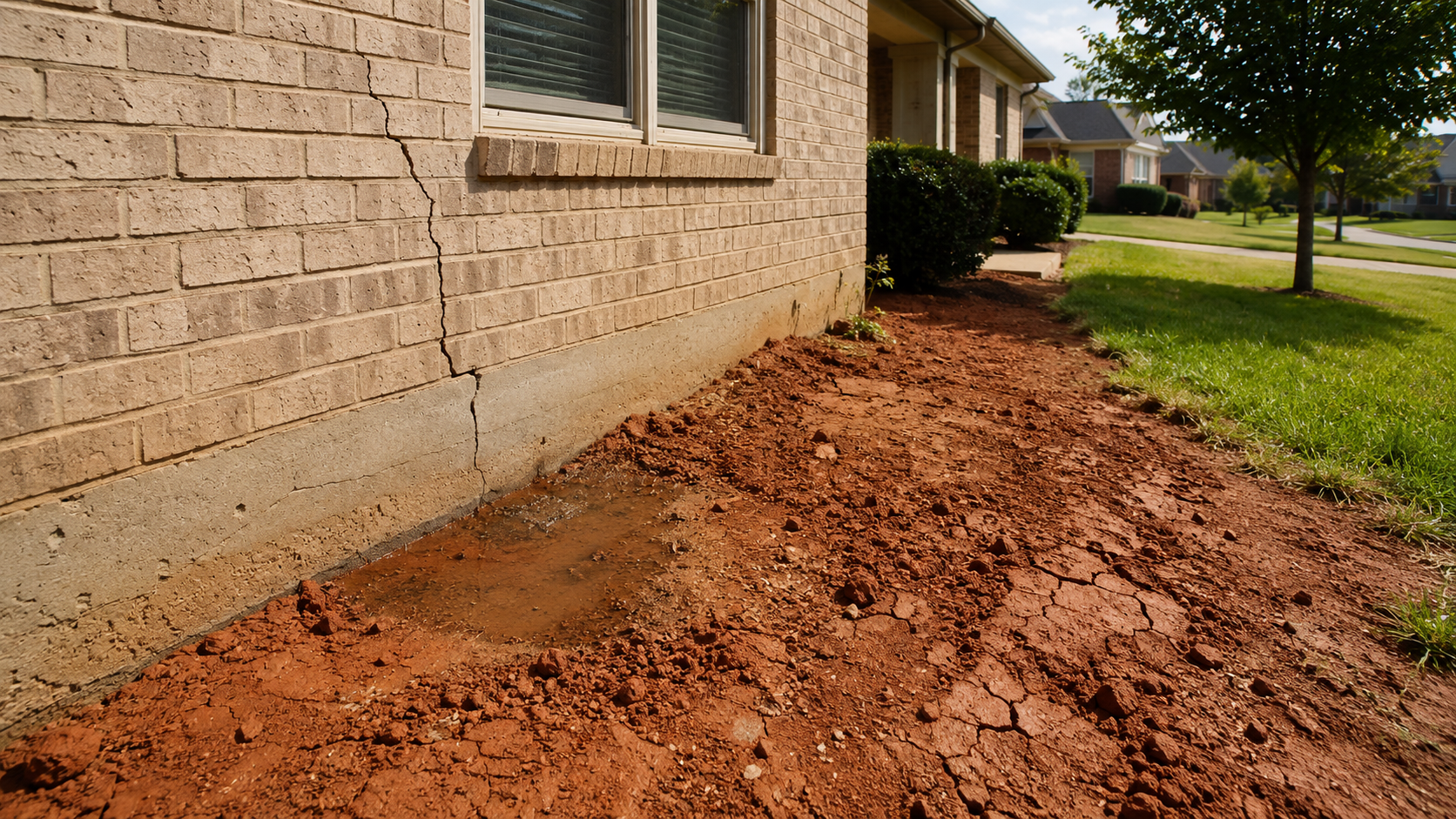
Pipe leaks are a major concern in residential plumbing. They can result from freezing temperatures, corrosion, shifting soil, or prolonged wear. Burst pipes lead to extensive water damage, mold growth, and structural compromise if not addressed promptly.
Early Detection
Signs of pipe leaks include water stains, damp walls, unusual odors, and unexplained increases in water bills. Inspecting accessible pipes and monitoring water meters can help detect hidden leaks before they escalate.
Prevention Strategies
Insulating pipes, replacing corroded sections, and avoiding chemical drain cleaners prevent leaks. Routine inspections and timely repairs mitigate risks, protect home infrastructure, and reduce long-term repair costs. Proactive pipe maintenance safeguards the plumbing system against sudden failures.
7. Sewer Line Problems
Common Causes
Sewer line issues often stem from tree root intrusion, pipe shifting, blockages, or aging infrastructure. Residential sewer lines in older neighborhoods are especially vulnerable to corrosion or joint separation. Blocked or damaged sewer lines can lead to backups, foul odors, and unsanitary conditions.
Warning Signs
Slow draining fixtures, multiple clogged drains, gurgling sounds in toilets, and sewage odors near the property indicate potential sewer problems. Immediate attention is crucial to prevent significant property damage and health hazards.
Maintenance and Repair
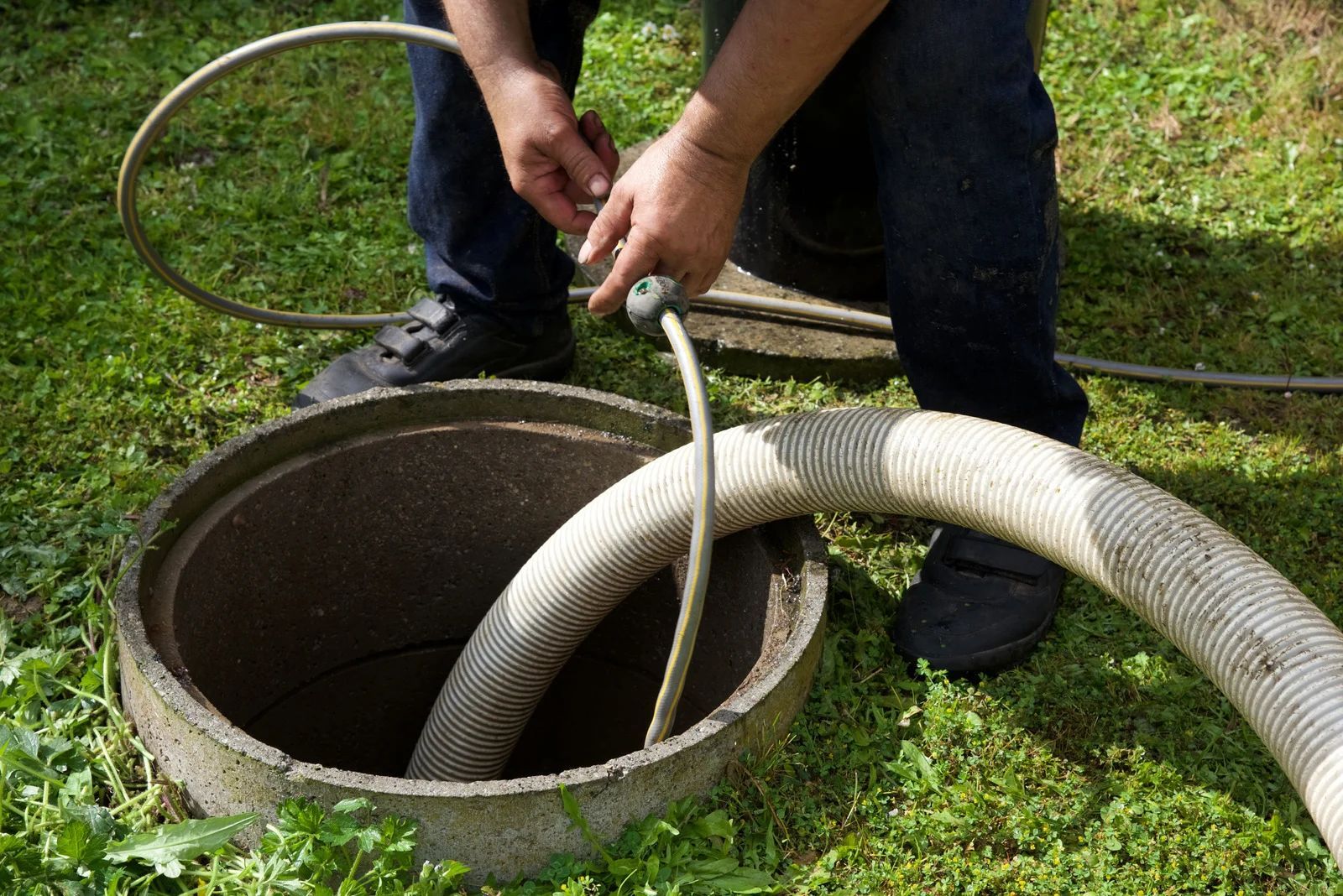
Routine sewer inspections using cameras can identify hidden issues. Avoiding disposal of grease, wipes, or non-flushable items protects the sewer system. When damage occurs, trenchless repair methods minimize disruption while restoring proper functionality.
8. Faucet and Showerhead Corrosion
Causes and Effects
Metal faucets and showerheads are susceptible to corrosion due to hard water, mineral deposits, or poor-quality materials. Corrosion diminishes water quality, causes leaks, and shortens the lifespan of fixtures. Prolonged exposure to mineral-rich water accelerates deterioration.
Identifying Corrosion
Discoloration, pitting, water discoloration, and decreased flow indicate corrosion. Regular inspection of exposed fixtures helps detect early damage before leaks or inefficiency develop.
Preventive Measures
Installing water softeners, regularly cleaning aerators, and choosing corrosion-resistant materials prolong fixture life. Timely replacement of corroded components ensures reliable performance and maintains aesthetic appeal in kitchens and bathrooms.
9. Frozen or Burst Pipes
Causes and Risks
Tulsa homeowners face pipe freezing during winter months, especially in uninsulated areas like basements or crawl spaces. Frozen water expands, increasing pressure and potentially causing pipe bursts. These incidents lead to extensive water damage and costly repairs.
Detection and Immediate Response
Frosted or bulging pipes, reduced water flow, or unusual noises signal freezing. Immediate action involves shutting off the water supply and gently thawing pipes using safe methods such as warm towels or heat lamps. Rapid response prevents rupture and mitigates damage.
Prevention Strategies
Pipe insulation, maintaining consistent indoor temperatures, and sealing drafts in vulnerable areas reduce freezing risks. Winterizing exterior faucets and monitoring outdoor plumbing ensures year-round protection. Preventive measures reduce emergency repair expenses and protect property from water damage.
10. Garbage Disposal Issues
Common Problems
Garbage disposals can jam, leak, or emit foul odors when improperly maintained. Food scraps, fibrous vegetables, and non-food items often cause jams. Over time, worn components or corrosion may lead to leaks or decreased efficiency.
Identifying and Resolving Issues
Signs include strange noises, poor grinding performance, and unpleasant smells. Regularly clearing debris, avoiding inappropriate items, and cleaning the disposal with mild solutions prevent blockages. In severe cases, component replacement restores functionality.
Best Practices
Run cold water during operation, grind small amounts at a time, and periodically inspect for leaks. Proper use and maintenance ensure safe, efficient operation, extending the disposal’s lifespan while reducing repair costs.
Dependable Plumbing Services For Every Homeowner’s Needs
Understanding common residential plumbing issues empowers homeowners to protect their property, ensure safety, and maintain efficient water systems. From leaky faucets and slow drains to sewer line problems and frozen pipes, each issue carries potential risks that can escalate if ignored. Regular inspection, preventive maintenance, and timely repairs are essential strategies to safeguard homes from costly damage. Being proactive allows for water conservation, reduced utility costs, and prolonged lifespan of plumbing systems.
For homeowners seeking professional expertise, Star Plumbing and Drains offers over 20 years of experience in Tulsa, Oklahoma, providing trusted plumbing solutions. Our commitment to quality, reliability, and customer satisfaction ensures every plumbing concern is addressed promptly and effectively. From routine maintenance and emergency repairs to complex installations, we combine knowledge, precision, and industry best practices to deliver lasting results. Homeowners can rely on us for expert guidance, transparent service, and efficient solutions, safeguarding their investment and maintaining a safe, functional home environment. Trust in our experience to resolve plumbing challenges with professionalism and care.